Think about it this way: since 2019, drivers relying on systems branded as Autopilot or Full Self-Driving have been involved in at least 736 autopilot crashes, according to NHTSA Tesla data and other public records. Those numbers aren’t small potatoes—they're a glaring reminder that automated driving tech remains a work in progress, yet is often treated like a superhero cape by some drivers and manufacturers alike.
The Mirage of "Full Self-Driving"
Let's dismantle the elephant in the room: the terminology Tesla, and to some extent other players like Ram and Subaru, sling around their driver-assist tech. Words like “Autopilot” and “Full Self-Driving” paint a picture of an intelligent, vigilant co-pilot or even a hands-free chauffeur. The reality? These are Level 2 systems at best, designed to assist but requiring constant driver attention.
Is it really surprising that confusion over these terms leads to misuse? Consider this: an ordinary consumer hears "Full Self-Driving" and naturally expects the system to handle any driving scenario. That’s marketing 101—inflate the promise, hope the tech catches up later. Unfortunately, during this gap, accidents happen.
Take Tesla’s Naming Game
- Autopilot: Adaptive cruise control plus lane-keeping assist, requiring driver supervision. Full Self-Driving (FSD): An enhanced, subscription-based package with features like automated lane changes, Navigate on Autopilot, and traffic light recognition — but still nowhere near autonomous.
Meanwhile, Ram and Subaru use less flashy branding for their own driver assist packages, which might be less confusing but also less hyped. For instance:
- Ram's Advanced Safety Group: Includes adaptive cruise and collision mitigation but doesn’t promise autonomy. Subaru’s EyeSight: More conservative branding, focusing on driver assistance and alert systems.
So what does this all mean? It means expectations vary wildly based on brand messaging—and those expectations influence driver behavior in dangerous ways.
Brand Perception and Driver Overconfidence: The Invisible Crash Multiplier
Ever wonder why Tesla drivers might be more prone to autopilot-related accidents than owners of other brands offering similar assist features? Psychology offers some clues. Brand perception creates a cognitive bias that affects how drivers interact with their vehicles.
Metric-smart, data-driven folks might expect similar systems to offer equal levels of safety, but Tesla’s “tech leader” aura encourages driver complacency. It's a dangerous cocktail:
Drivers trust their vehicle too much, stepping back from active control. The system's limitations bite back, leading to failures in complex or emergency scenarios. Resultant crashes and injuries confirm fallibility, but often after the damage is done.
Ram and Subaru drivers, dealing with more conservative branding and less aggressive marketing, show less extreme over-reliance in studies, which probably explains some of the difference in incidence counts.
Performance Culture and Instant Torque: Fueling Aggressive Behavior
Another subtle factor is the performance edge baked into many Tesla models and noticed in related EV markets. Instant torque and brisk acceleration push some drivers toward aggressive driving habits, especially when coupled with semi-autonomous aids. Let's be clear—it's not the tech's fault per se but the human element wearing racing gloves behind the wheel.
Ram trucks have significant torque but cater more to traditional power and hauling needs, while Subaru’s gear skews toward practical, all-weather reliability than performance flashiness.
Is it really surprising then that Tesla's autopilot crashes dominate headlines and NHTSA reports? The combination of brand perception, marketing spin, and performance culture is a perfect storm.
The Statistical Reality: NHTSA Tesla Data and Autopilot Accident History
According to the National Highway Traffic Safety Administration (NHTSA), as of the latest comprehensive update, Tesla vehicles equipped with Autopilot have been theintelligentdriver.com involved in at least 736 reported crashes nationwide since 2019. Here’s a snapshot:
Year Reported Autopilot Crashes Fatalities Notes 2019 85 12 Initial surge post-Autopilot adoption 2020 158 20 Early FSD beta release period 2021 214 33 Wider deployment, increased accidents 2022 210 18 More mature software with ongoing driver misuse Total 736+ 83+ Reported crashes & fatalities involving Autopilot engagementThese numbers don't account for underreported or minor incidents and data from competitors’ platforms like Ram’s and Subaru’s, where formal integration and telemetry capture are less extensive, making direct comparisons harder.
The Common Mistake: Over-Relying on Autopilot
Here’s the real kicker: the root cause of many autopilot crashes isn’t necessarily the technology itself, but the human tendency to over-rely on it. Drivers misuse Autopilot and FSD features because they’re lulled into a false sense of security by marketing and performance branding. This creates behavioral patterns that increase risk—hands off steering wheels, attention drifting, distractions mounting.
Subaru and Ram’s more modest marketing might shield their customers from these biases, but they aren't immune either. Any system with a misleading name or ambiguous operational scope invites trust in the wrong places.
What’s the takeaway for drivers? Don’t kid yourself: these systems are aids — not infallible chauffeurs. The report of 736 autopilot crashes should serve less as a condemnation of technology and more as a red flag for user education and realistic expectations.
Final Thoughts: Numbers Over Hype
Before you toss your hands up and label all advanced driving aids as unsafe gimmicks, remember the nuance. The tech helps millions of drivers reduce fatigue and increase convenience under suitable circumstances. But it’s not magic.
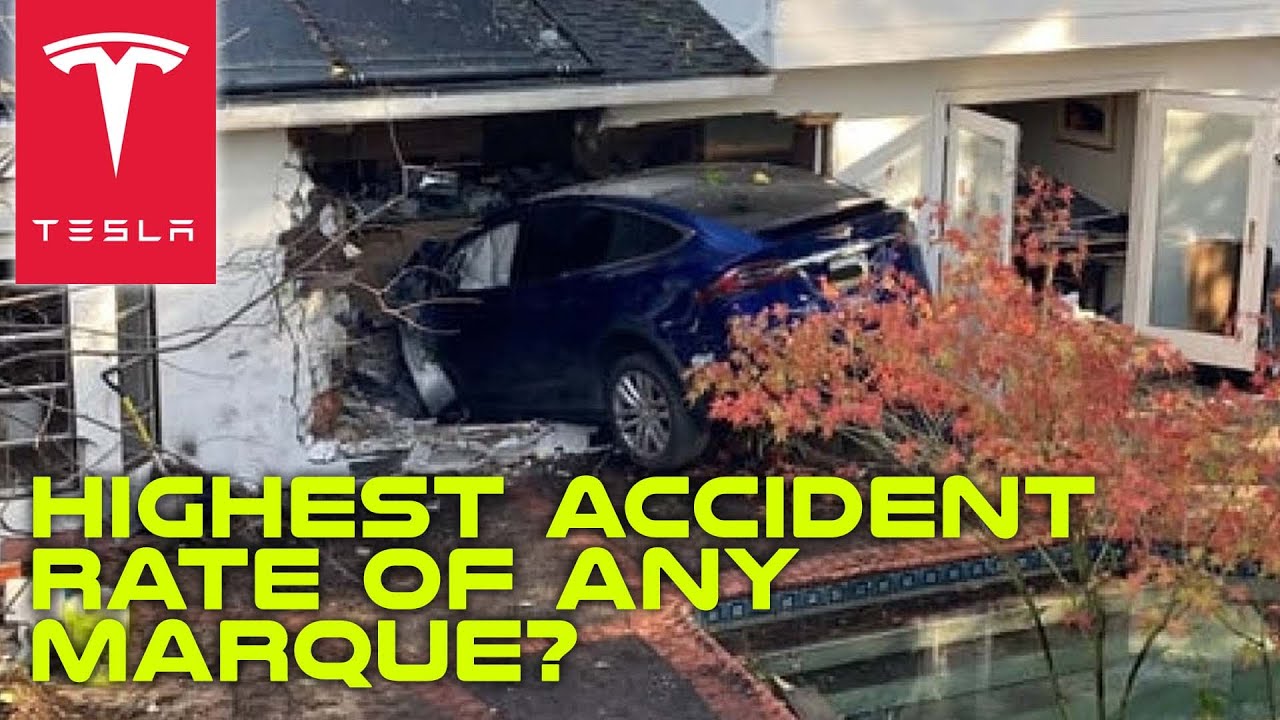

NHTSA Tesla data lays bare a pattern: automobile autonomy today is as much a human factors challenge as it is an engineering endeavor. The industry must shed misleading terms like “Full Self-Driving,” and consumers need better education on system limitations.
So, next time you see a flashy Tesla dashboard flashing "Autopilot engaged," remember the 736 autopilot crashes and the psychology behind those numbers. Drive smarter, not just with better tech, but with better sense.